

maryland last will and testament pdf
Overview of Maryland Last Will and Testament PDFs
These templates, governed by Maryland law, require the testator’s signature, two witnesses, and an executor designation. They can be downloaded as printable PDFs or edited online. Proper witnessing and notarization ensure enforceability, while customization lets users specify heirs and trusts; OK!
Legal Framework Governing Maryland Wills
Maryland wills are governed primarily by the Maryland Estates Code, specifically §4‑102, which outlines the essential elements a valid will must contain. The code requires that a will be in writing, signed by the testator or by another person at the testator’s direction, and witnessed by two disinterested parties. The testator’s intent is inferred from the document’s language and the surrounding circumstances, and the will must be executed with the testator’s free will, not under duress. The Estates Code also addresses the capacity requirement, stating that the testator must be at least 18 years old and of sound mind, or otherwise competent; Additionally, the code provides for the revocation of a will through subsequent writing, oral revocation, or destruction of the document. The legal framework further incorporates the Uniform Probate Code provisions adopted by Maryland, which streamline the probate process and clarify the duties of executors and administrators. The code’s emphasis on clarity and formalities aims to reduce disputes and ensure that a testator’s wishes are honored as intended. For individuals drafting a will in PDF format, adhering to these statutory requirements is essential to avoid challenges in probate court and to guarantee that the will is recognized as a valid testamentary instrument under Maryland law. Because the will’s validity hinges on strict compliance with Maryland statutes, it is prudent to review the final PDF with a qualified attorney before signing, ensuring formalities are satisfied!!

Key Statutory Provisions (Maryland Estates Code §4-102)
Maryland’s Estates Code §4‑102 sets the statutory foundation for all wills in the state. It mandates that a will must be in writing, signed by the testator or by another person under the testator’s direction, and witnessed by two disinterested parties. The provision also requires that the testator be at least 18 years old and of sound mind, or otherwise competent to understand the nature of the will and its effects. The code explicitly addresses revocation: a will can be revoked by a subsequent writing, by oral revocation if the testator is competent, or by destruction of the document. Additionally, §4‑102 clarifies that a will may be made orally only under the “gift of a life estate” exception, which is narrowly construed. The statute further outlines the executor’s authority, allowing the executor to administer the estate, pay debts, and distribute assets according to the will’s directives. It also permits the executor to file a petition for probate, and it imposes a duty to act in good faith and in the best interest of the estate. The code’s language is designed to reduce ambiguity, ensuring that a will’s language is interpreted in light of the testator’s intent and the surrounding circumstances. Compliance with §4‑102 is essential for any Maryland last will and testament PDF to be enforceable in court, preventing disputes over validity and ensuring the testator’s wishes are honored. These provisions ensure the will is correctly executed, safeguarding heirs for improper documentation in the estate.
Required Witnessing and Signatures
In Maryland, a valid will must be signed by the testator in the presence of two witnesses who are not beneficiaries or spouses of beneficiaries. The witnesses must also sign the document in the testator’s presence, or at the testator’s direction, and they must be present at the same time. The law requires that the testator sign the will or acknowledge a signature made by another person under the testator’s direction. If the testator is unable to sign, a competent person may sign on their behalf, provided the testator has given clear instructions. Witnesses must be over 18, not under duress, and must not have a financial interest in the estate. The witnesses’ signatures must be dated and include their full legal names, addresses, and the date of signing. The testator’s signature must be followed by a statement of intent, such as “I hereby declare this to be my last will and testament.” The document should also contain a clause that the witnesses confirm they witnessed the testator’s signing. Maryland’s statutes also allow for notarization of the will, but notarization is not required for validity; it can, however, provide additional evidence of authenticity. The key is that the will meets all statutory requirements: written, signed, witnessed, and dated. Failure to comply with any of these elements can render the will invalid, leading to intestate succession or contested probate proceedings. Proper witnessing safeguards the testator’s intentions and protects heirs from future disputes. This guarantees the will’s enforceability.
Executor Designation and Duties

In a Maryland last will and testament PDF, the testator names an executor who will administer the estate after death. The executor must be a natural person or a corporate entity with a fiduciary duty to act in the best interests of the beneficiaries. The will should specify the executor’s full legal name, address, and contact information. If the named executor is unable or unwilling to serve, the will may name an alternate executor or provide a clause allowing the court to appoint one. The executor’s duties include: collecting and inventorying assets, paying debts and taxes, filing the probate petition, distributing property according to the will, and maintaining accurate records. The executor must act in good faith, avoid conflicts of interest, and keep beneficiaries informed. Maryland law requires the executor to file a notice of appointment with the probate court and to provide a bond if requested. The executor must also file an annual accounting of the estate’s financial activity. Failure to perform duties can lead to removal or liability for damages. The will may also appoint a trustee for any testamentary trusts, specifying the trustee’s responsibilities and powers. Proper executor designation ensures a smooth transition and protects the estate from administrative delays or disputes. The executor should keep detailed records, file necessary tax returns, and act promptly to settle claims, ensuring the estate is distributed according to the will’s provisions. All actions must be documented by the executor.!

Obtaining a Maryland Will Template in PDF Format
Free Maryland will PDFs are available from state sites and online services like pdfFiller and PDFRun. Download, fill, and print to meet legal requirements. Ensure the template matches Maryland Estates Code §4‑102. All comply with state law.
Official State Resources and Free Downloads
Maryland offers several avenues for obtaining a legally compliant last will and testament in PDF format. The State of Maryland’s Department of Health and Mental Hygiene publishes a free, downloadable PDF template that conforms to the Maryland Estates Code §4‑102. This template is available on the official state website, where users can download, print, and fill the form by hand or use a PDF editor. The form includes all required sections: the testator’s declaration, executor designation, distribution clauses, and witness signatures. Because the template is produced by the state, it automatically satisfies the statutory language required for validity, including the two‑witness rule and the executor’s duty to administer the estate. In addition to the state‑issued form, the Maryland Court System provides a PDF guide on how to properly execute a will, which explains the witnessing process, notarization options, and storage recommendations. Users can access the Maryland State Archives, a searchable database of wills probate records, useful for reviewing how the template has been applied in past cases. For those who prefer an online solution, the state’s e‑services portal offers a free, interactive will builder that generates a PDF file once the user completes the questionnaire. This builder includes prompts for naming heirs, specifying gifts, and setting up testamentary trusts, all while ensuring the final document meets the legal standards set by the Maryland Estates Code. By leveraging these official resources, individuals can create a will that is both cost‑effective and legally sound, reducing the risk of probate disputes and ensuring their wishes are honored.
Commercial Fillable PDF Options (pdfFiller, PDFRun)
For users who prefer an online, interactive experience, commercial platforms such as pdfFiller and PDFRun provide ready‑made Maryland will templates that can be edited directly in the browser. These services offer a range of features: auto‑populate fields, digital signature capture, and built‑in witness signature sections that comply with Maryland’s two‑witness requirement. Users can upload the completed PDF to a secure cloud storage, share it with their executor, and request notarization through integrated e‑notary services. Both pdfFiller and PDFRun charge a nominal fee per document, but the convenience of instant editing, version control, and audit trails often outweighs the cost for individuals seeking a hassle‑free solution. The platforms provide tutorials that walk users through the legal language required by the Maryland Estates Code, ensuring each clause—such as the appointment of a successor executor—meets statutory standards. The final PDF can be downloaded, printed, or emailed, and the platform retains a timestamped record of all edits, which can be useful during probate proceedings. For those who need a robust solution, PDFRun offers a subscription model with bulk editing, template customization, and priority support, a popular choice for estate planners and attorneys handling multiple clients. By these commercial fillable PDF options, individuals can create a compliant will with minimal effort, retaining full control over the document’s content and security. Secure now.
Customizing Your Template (Editing, Adding Clauses)
Once you have a Maryland last will and testament PDF—whether from a free state resource or a commercial fillable service—you can customize it to reflect your wishes. Open the file in a PDF editor that supports form fields, such as Adobe Acrobat Reader DC or an online tool like pdfFiller. Replace placeholder names with your legal name, and fill in the executor’s name, address, and alternate executor if desired. For each heir, add a line that lists their name, relationship, and the portion of the estate they will receive. Use the “Add Text” function to insert special instructions—such as a charitable donation or a bequest of sentimental items—ensuring each clause is clearly separated and numbered for easy reference.
When adding new sections, keep the formatting consistent: same font size, style, and line spacing. After all edits, review the document for missing signatures or witness fields; Maryland law requires two witnesses who are not beneficiaries. Finally, save the PDF with a new file name, print a hard copy, and arrange for the required witnesses to sign in front of you; Store the final version in a secure location. All steps comply with Maryland statutes now.

When you finalize the document, double‑check that every clause is numbered and that the executor’s signature line is present. Keep the original signed copy in a safe place and provide a copy to your attorney for probate preparation. Protects the document from tampering.
Consider notarizing the PDF electronically. Many online editors provide a “Notary” button that generates a notarization page compliant with Maryland’s e‑notary regulations. Once notarized, the PDF reduces the need for witnesses at signing. This ensures the will enforceable
Using Fillable Maryland Will PDFs
Fillable PDFs let you edit fields, add names, and sign electronically. After completing, ensure two witnesses sign, then notarize if required. Save the final file, print a copy, and store securely. This method meets Maryland’s legal standards All steps ok.!
Step-by-Step Filling Process
Begin by downloading a certified Maryland Last Will and Testament PDF from a reputable source such as the state’s official portal or a trusted commercial provider. Open the file in a PDF reader that supports form fields. Carefully read the introductory clauses to confirm that the document is governed by Maryland law and that the testator’s name and date of birth are correctly entered. Next, fill in the executor section, specifying the full legal name and address of the individual you wish to appoint. Proceed to the heirs section, listing each beneficiary’s name, relationship, and the percentage or specific assets they will receive. If you intend to create a testamentary trust, use the designated trust clause field to outline the trustee, beneficiaries, and terms. After all personal and distribution information is complete, review the entire document for accuracy, ensuring no typographical errors or omitted clauses. Once satisfied, sign the will in the signature field; the PDF will prompt you to create a digital signature or to attach a scanned image of your handwritten signature. Have two witnesses, who are not beneficiaries, sign in the witness fields and provide their full names and addresses. If you choose to notarize the will, complete the notarization field with the notary’s signature, seal, and commission number. Finally, save the completed PDF, print a hard copy for your records, and store the original in a secure location such as a safe deposit box or a fire‑proof safe. Keep a digital backup on an encrypted drive or cloud service for easy access when needed. Following these steps ensures that your Maryland will meets all statutory requirements and is legally enforceable.

Ensure you use a PDF editor that preserves form fields and layout.

It is advisable to have a legal professional review the completed will before finalizing it, especially if you have complex assets or multiple beneficiaries. Maryland requires in-person signatures for witnesses. Keep the original signed document in a safe place and inform your executor of its location. This structured approach ensures compliance with Maryland statutes.
Ensuring Legal Validity (Witnesses, Notarization)
Maryland requires a will to be signed by the testator in the presence of two independent witnesses who are not beneficiaries. Each witness must sign the document, provide their full name, address, and the date of signing. The PDF template includes dedicated fields for these signatures. While notarization is optional, it adds credibility; a notary must sign, affix a seal, and record the commission number and expiration date. The notary also witnesses the testator’s signature, confirming voluntary intent. The entire process must occur in a single session to avoid disputes about capacity or intent. Digital signatures are acceptable if the PDF editor supports them, but witnesses must still observe the testator’s signing. After execution, store the original in a secure location such as a safe deposit box or fire‑proof safe, and provide a copy to the executor. Reviewing the completed will with an attorney ensures all statutory provisions are met and reduces the risk of future litigation.
For added assurance, keep a notarized copy in a separate location and register the will with a state repository and if available. Some counties offer a will registry that can be accessed by the executor after death. Additionally, inform trusted family members of the will’s location and provide a copy of the executor’s contact information. This transparency helps prevent disputes and ensures a smooth transfer of assets.

Common Pitfalls to Avoid in the Fillable Process
When using a fillable Maryland will PDF, errors often arise from missing statutory details or technical issues. First, leaving any required field blank—such as the executor’s name, witness addresses, or the date—renders the document incomplete and void. Second, using a template that predates the latest Maryland Estates Code amendments can create inconsistencies, especially regarding testamentary trust language. Third, failing to have the final version before signing can lead to confusion; digital signatures alone may not satisfy witness requirements if the PDF does not lock the form after completion.
Another mistake is signing in the presence of a beneficiary or a party with an interest, violating the independent witness rule. Likewise, failing to have witnesses sign in the testator’s presence can invalidate the will. Many users skip notarization when advisable, especially if the will is filed with a probate court preferring notarized documents. Additionally, storing the will in an unsecured location—like an email attachment or cloud folder without encryption—exposes it to loss or tampering.
Finally, many people reuse the same PDF for multiple family members without creating unique copies, leading to confusion over who signed what. Always generate a fresh, personalized PDF for each individual, double-check that all fields are populated, and keep a backup in a separate, secure location. By addressing these pitfalls, you preserve the will’s enforceability and protect your estate’s smooth administration. Ensurelaw!
Safeguarding and Storing Your Maryland Will PDF
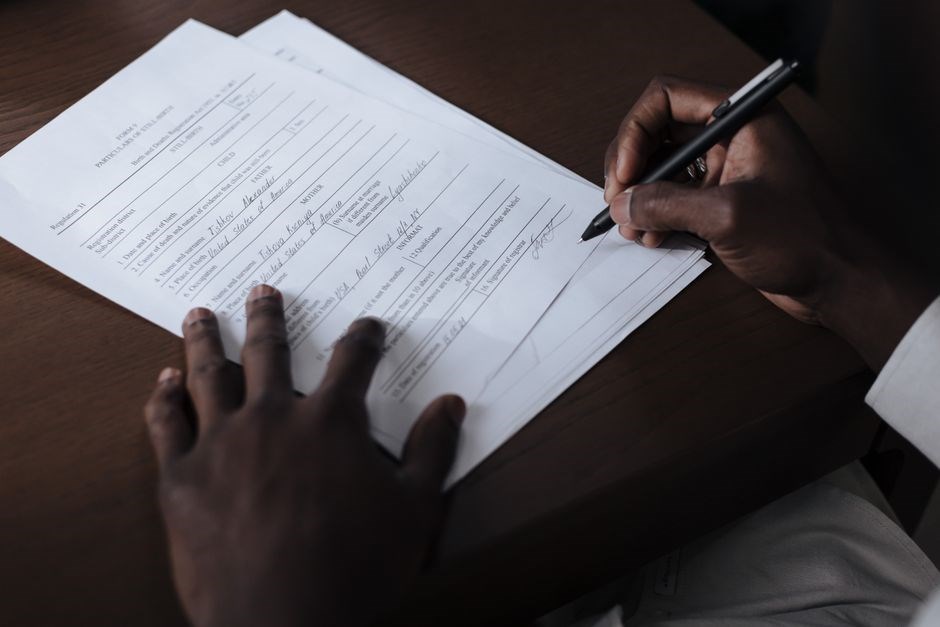
Once a Maryland last will and testament PDF is finalized, protecting its integrity is paramount. The first step is to keep a hard‑copy in a safe or a safety deposit box. Copies should be stored on encrypted external drives and backed up to a reputable cloud service that offers two‑factor authentication. Avoid leaving the file on a personal computer or in an unencrypted email attachment, as these are vulnerable to data loss or unauthorized access.
Whenever the will is updated—whether to change an executor, add a beneficiary, or modify a trust—create a new PDF version and label it with the effective date. Retain the previous versions in a separate folder, clearly marked “Draft” or “Previous,” so that the most recent, legally binding document is always identifiable. When filing the will with the probate court, submit a notarized copy and keep the original in the secure location mentioned above.
It is also wise to inform a trusted family member or attorney of the will’s whereabouts. Provide them with a copy of the document and the location of the stored files, but do not give them the original until probate is underway. This precaution ensures that, in the event of a disaster or the testator’s incapacitation, the will can be accessed promptly and without dispute.
Finally, review the storage plan annually. Update passwords, replace aging hardware, and confirm that the backup locations are still accessible. By following these steps, you safeguard the will’s legal validity and guarantee that your estate’s directives are honored exactly as intended, securely.